Scalable Design System for Industrial Digital Products

IndustrialTech
UX/UI
Design System

For whom

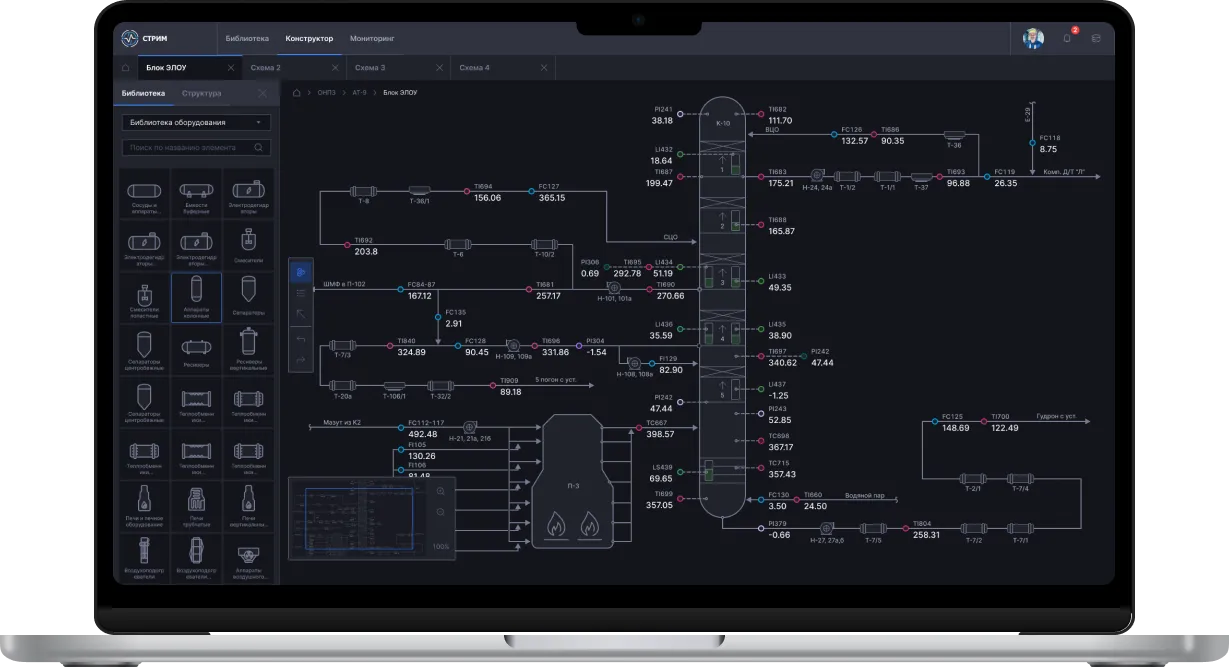
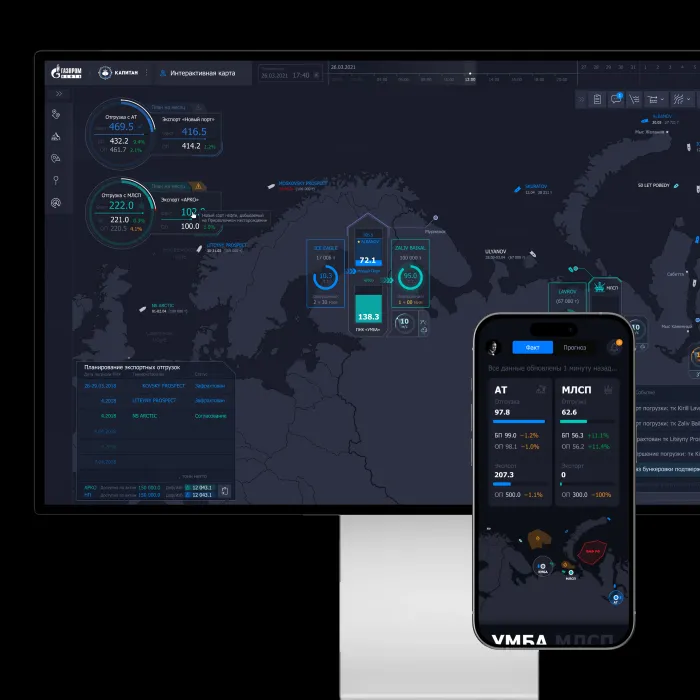
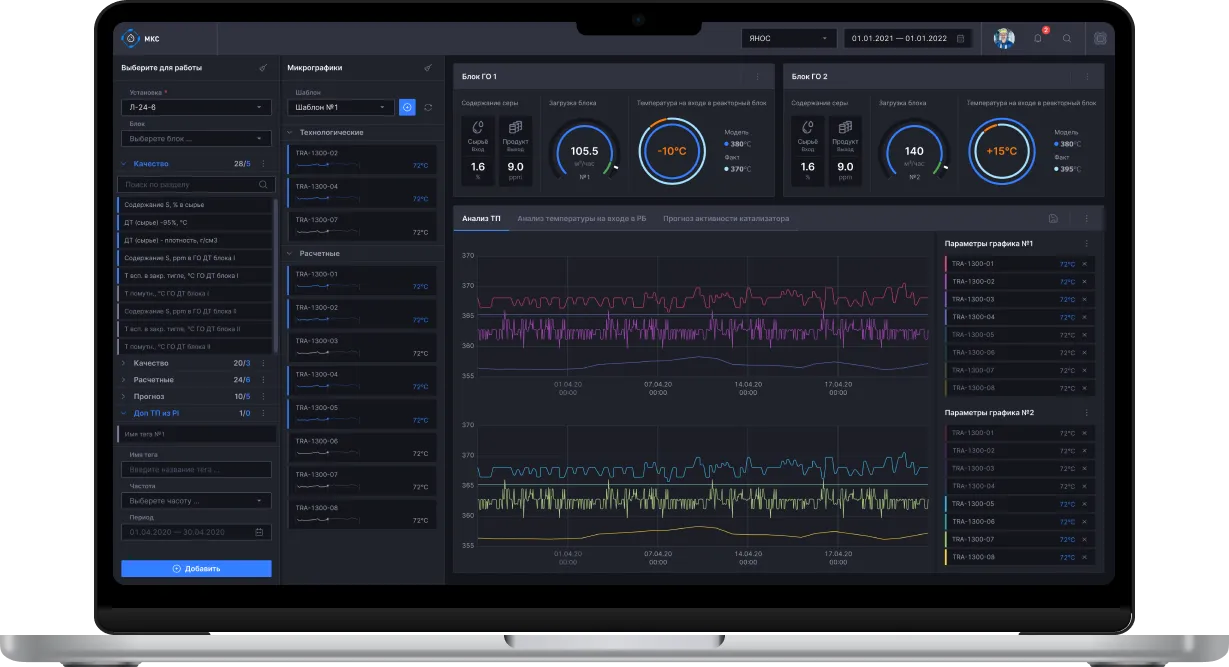
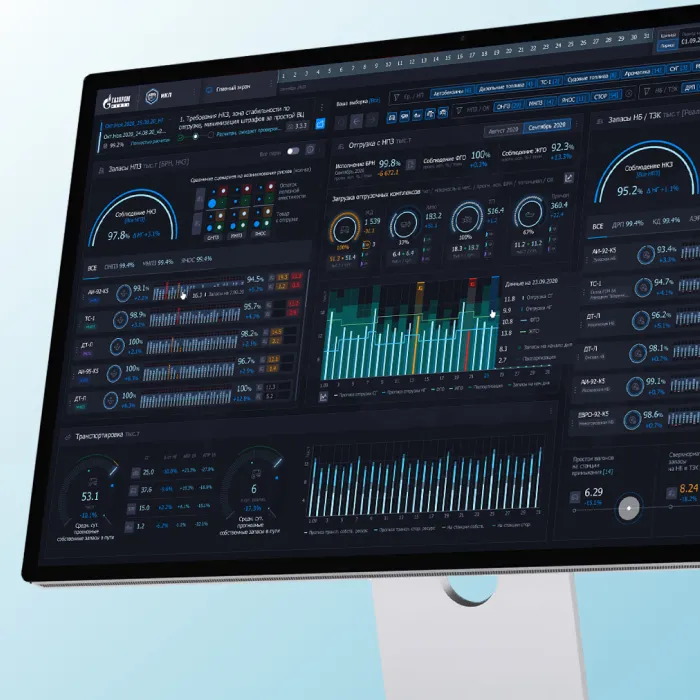
Gazprom Neft and Zyfra are key players in industrial digitalization. Their digital industrial platform brings together dozens of products for production automation, process control, and real-time decision-making.

Problem

Before the project, the companies faced several systemic problems:

  • No unified visual language across products
  • Difficult module integration inside the digital ecosystem
  • Excessive budgets: +100-120% for design and development
  • High support costs:
    +30-40% for improvements and updates
  • Mismatch with HMI and GOST ergonomics and accessibility standards

Goal and Tasks

Create a scalable, unified industrial design system tailored to industrial solutions and implement it across the product ecosystem

  • Analyze UX/UI solutions across all key digital products
  • Align visuals and functionality with GOST and HMI standards
  • Create a unified component library in design and code
  • Reduce the cost and time of developing new interfaces
  • Support scalability and quality in a growing ecosystem

Approach

Implementation stages:

Strategy and principles

Defined the goals, philosophy, and principles of the future system.
Research and audit

1. Workshops with designers, developers, and product teams

2. Reference gathering and analysis of existing solutions

3. Study of HMI, GOST, and ISO standards for visualization and UX
Planning

1. Creating a list of components and UX patterns

2. Prioritization by business importance

3. Roadmap alignment with leadership
Team formation

A dedicated product team was formed, bringing together designers, frontend developers, architects, and analysts.

Design and Development

Key steps:

  • A unified frontend stack and data visualization approach were selected and approved
  • Grid systems, spacing, typography, and color palette were aligned
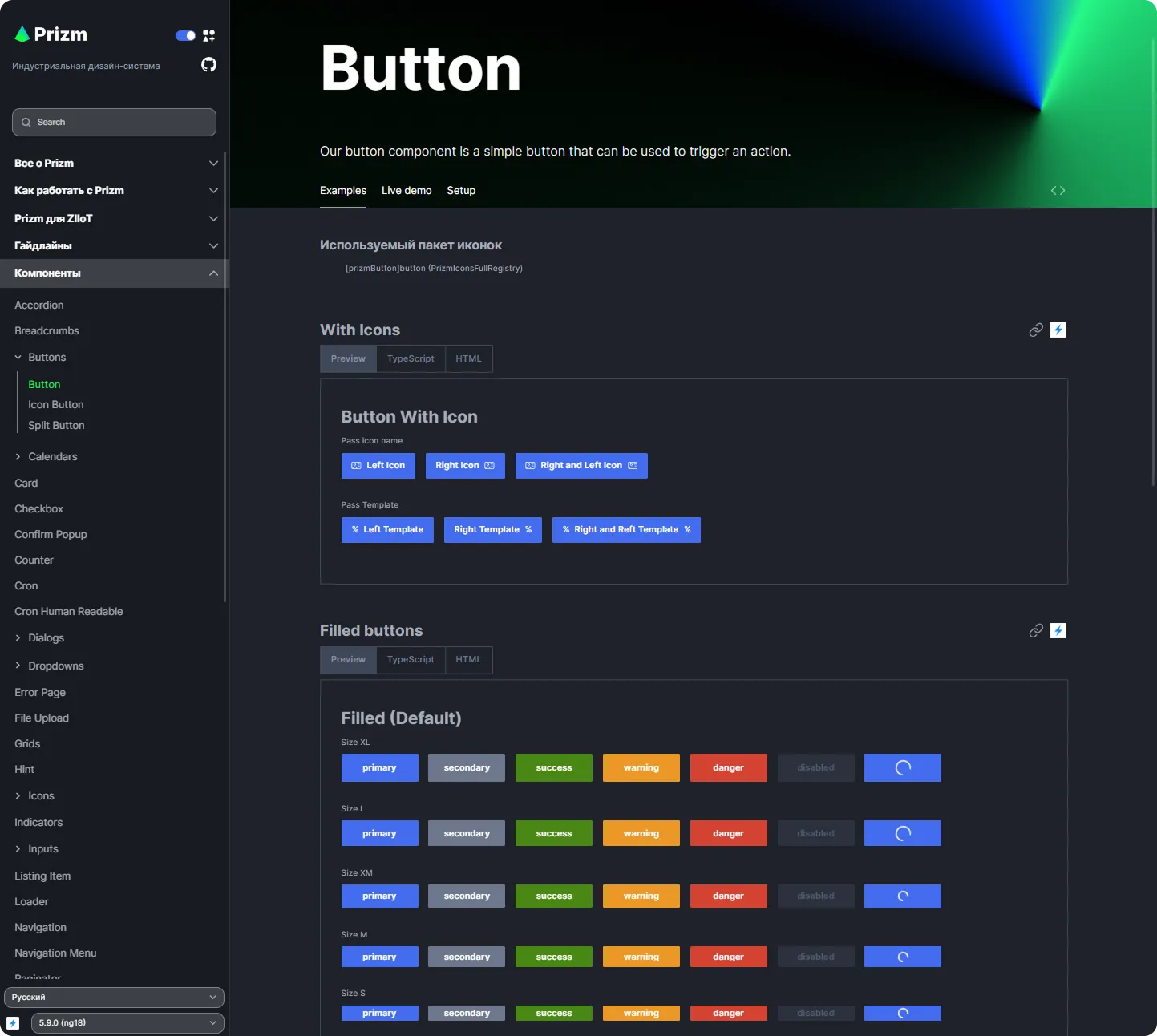
  • Atomic components and basic controls were developed

Next by priority:

  • Frequently used UX patterns
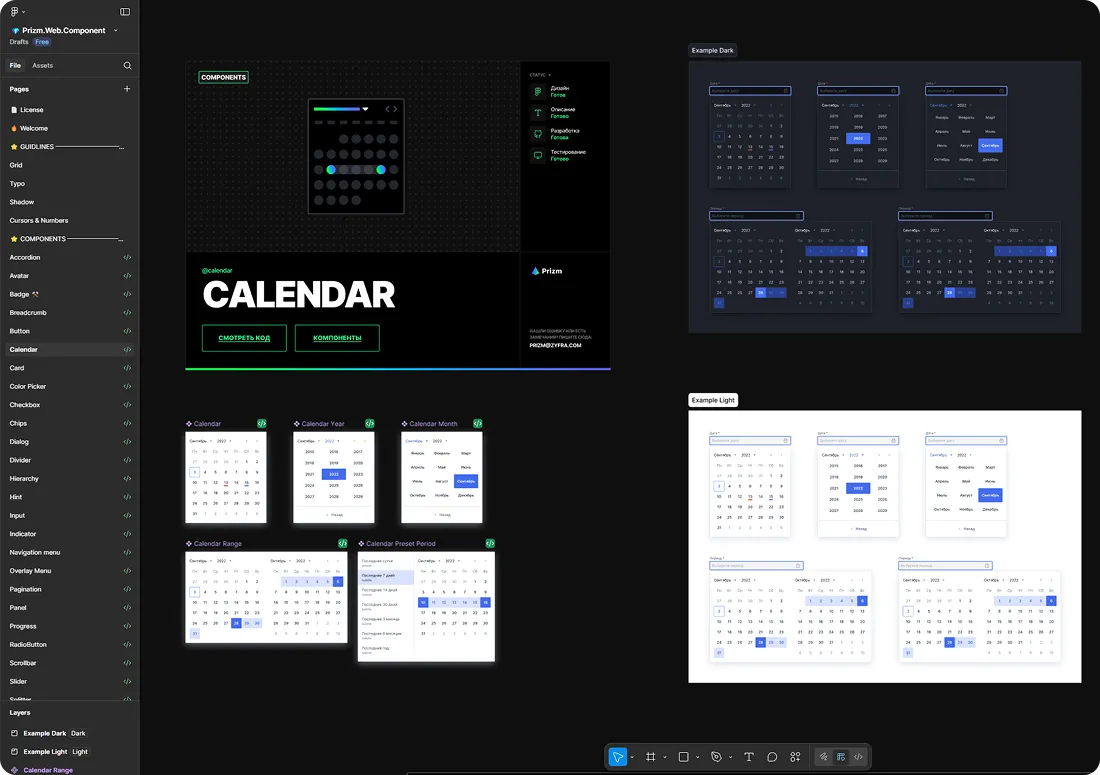
  • Calendar elements, sorting, and filters
  • Various data visualization modules

Technical implementation:

  • A sandbox and component showcase were implemented
  • Documentation and guidelines were created
  • Existing products were tested against the new system in Figma

After the MVP was created, company leadership decided to:

  • Complete the system to its target state in two additional phases
  • Gradually roll it out to all new digital products
  • Partially integrate it into existing solutions while preserving backward compatibility

The process required deep synchronization across IT teams and even affected role restructuring in several departments.

Results

Budget savings:

65%
Savings on
UX/UI design
35%
Savings on
frontend development
Doubled speed of creating MVPs and other products on PRIZM

Technical impact:

💸
Product support became cheaper
by ~30-40%
💎
Significantly improved
solution scalability
🖥
Eliminated fragmentation
(the "solution zoo")
in design and code

🚀 Strategic impact:

⏱️
Increased the speed of digital product delivery
and digital transformation
🤝
Ensured visual and technical consistency across
80+ digital solutions
💼
Increased trust in products inside the corporation
and improved user experience quality

Highlights

  • The design system is open under the MIT license
  • Presented at key industrial and developer conferences in Russia
  • Became a design benchmark for corporate digital solutions

Conclusion

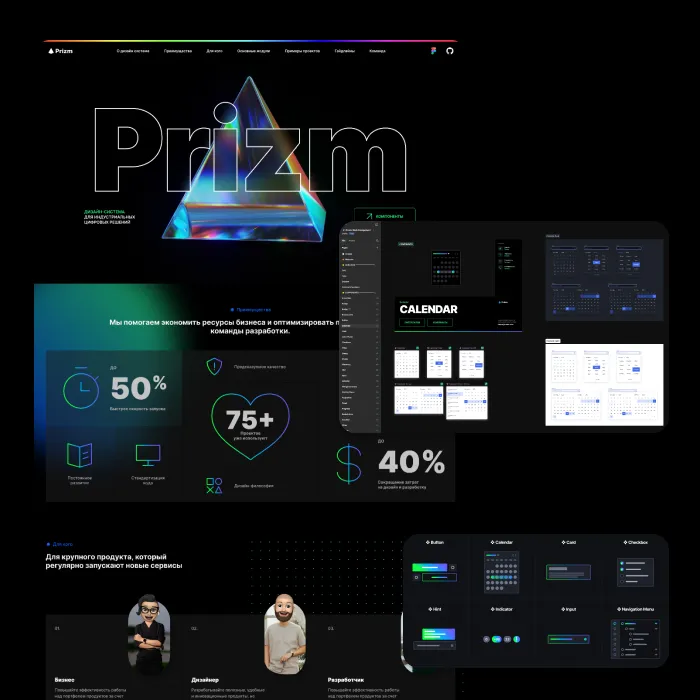
We did more than unite design and code — we created a foundational system for large-scale industrial digitalization.

Prizm became a key asset that accelerates development, simplifies support, and sets standards for years ahead.
Other Cases

implemented products/projects